Source Whitening Skin Care Moisturizer for Daily Use
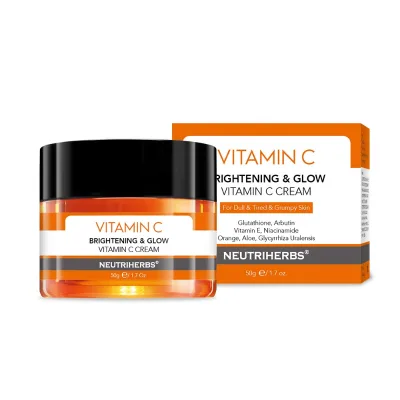
Find 30 whitening skin care moisturizer options from China. Compare OEM brands like NEUTRIHEBRS and Amarrie for brightening, anti-aging, and hydration needs. Review ingredients such as Vitamin C and Aloe Vera to select suitable facial creams for wholesale sourcing; compare the available evidence and request quotations based on your requirements.
Key considerations
Products List








Comprehensive Sourcing Guide
Whitening Skin Care Moisturizer Sourcing Guide
The global market for whitening skin care moisturizers is driven by demand for products that address hyperpigmentation while maintaining deep hydration. Based on observed listings, these formulations frequently combine brightening agents like Vitamin C and Pearl with nourishing bases such as Aloe Vera and Shea Butter. Buyers should note that while some listings specify "Adults" or "All Ages," the primary efficacy signals focus on anti-aging and skin revitalization for combination and all skin types. This diversity in target demographics requires careful alignment between the supplier's specific formulation and the intended end-user profile.
Procurement strategies must account for the wide variance in product attributes observed across the market, ranging from specific brand names like NEUTRIHEBRS to generic OEM options. The functional claims often overlap, with products marketed simultaneously as moisturizers, lightening agents, and anti-wrinkle solutions. Sourcing teams should verify that the specific batch they intend to purchase matches the claimed ingredient profile, as some listings highlight Emu oil and Green Tea while others emphasize Dead Sea Salt. This variation necessitates a rigorous specification review before finalizing any purchase order to ensure the product meets the exact cosmetic standards required for the target market.
Product Scope and Observed Listing Signals
Buyers must distinguish between products labeled as "Natural Face Beauty Cream" and those explicitly named "Vitamin C Cream," as the ingredient profiles and efficacy claims differ significantly between these categories. The observed data indicates a strong emphasis on multi-functional benefits, with features ranging from acne treatment to dark circle reduction. When evaluating listings, it is critical to confirm whether the product is designed for day use only or if it supports a broader application schedule, as this impacts the formulation's stability and active ingredient concentration.
The market signals also reveal a significant split in skin type targeting, with some items explicitly marked for "Combination" skin while others claim suitability for "All Skin Type." This distinction is vital for compliance with regional labeling laws and for ensuring customer satisfaction. Procurement teams should scrutinize the "Main Ingredient" lists, noting that while Aloe Vera and Glycerin appear frequently, the inclusion of specific actives like Emu oil or Pearl varies by supplier. Verifying these specific components ensures the product aligns with the brand's positioning and the specific needs of the consumer base.
Technical Specifications to Verify
Technical due diligence requires a precise verification of the physical packaging dimensions and weight, as observed listings show a single package size of 6.5x7.7x6.5 cm with a gross weight of 0.300 kg. These metrics are essential for calculating accurate freight costs and optimizing container utilization during international shipping. Buyers should confirm that the supplier's actual packaging matches these specifications, as deviations can lead to unexpected logistics expenses or damage during transit. Consistency in packaging dimensions is particularly important for brands that require uniform shelf presentation across different retail channels.
Formulation stability and shelf life are equally critical technical parameters that must be validated against the supplier's data. The observed usage storage life of 3 years suggests a robust preservation system, yet buyers must verify the specific production date and batch stability testing results. Additionally, the product form is listed as "Lotion," but the viscosity and texture can vary based on the specific blend of emulsifiers and oils. Ensuring the product maintains its intended consistency and does not separate over time is a key quality control step that protects the brand's reputation and consumer trust.
Compliance and Safety Documentation
Regulatory compliance is a non-negotiable aspect of sourcing, with observed listings citing certifications such as CE, FDA, GMP, and MSDS. Buyers must request current, verifiable copies of these documents for every batch, as the presence of a certification on a listing page does not guarantee that the specific product being shipped has undergone the requisite testing. The distinction between general company certifications and batch-specific safety data sheets is crucial for customs clearance and market entry, particularly in regions with strict cosmetic regulations.
Safety documentation must also cover the specific ingredients used, especially when the product claims to be "Herbal" or contains natural extracts like Green Tea and Aloe Vera. While the listings mention these ingredients, the supplier must provide a full declaration of all components to ensure no prohibited substances are present. The MSDS (Material Safety Data Sheet) should be reviewed to confirm the safe handling and storage requirements for the finished goods. Without comprehensive safety data, the risk of regulatory rejection or consumer safety incidents increases significantly, potentially leading to costly recalls.
Cost Drivers and Commercial Terms
Pricing in this sector is influenced by the complexity of the formulation and the volume of the order, with observed MOQs ranging from 1 to 30,000 units. Buyers should analyze the cost structure to understand how the inclusion of premium ingredients like Pearl or Emu oil impacts the unit price compared to standard moisturizers. The wide price range of 0.3 to 11.43 USD suggests that factors such as brand positioning, packaging quality, and ingredient purity play a major role in the final cost. Negotiating based on volume tiers can significantly reduce the per-unit cost, but the buyer must ensure that quality does not compromise as the order size increases.
Commercial terms and logistics responsibilities are equally important in determining the total landed cost. The observed trade terms include EXW, FOB, CIF, CFR, DAP, and DDP, each carrying different risks and cost implications for the buyer. Selecting the appropriate Incoterm depends on the buyer's logistics capabilities and risk tolerance; for instance, DDP transfers the most responsibility to the supplier, while EXW places the burden of freight and insurance on the buyer. Additionally, the lead time of 20 to 30 days for production and the sample time of one week must be factored into the supply chain planning to avoid stockouts.
Supplier Qualification and Quality Control
Supplier qualification should extend beyond basic certification checks to include an assessment of their customization capabilities and production flexibility. The market data indicates that customization is available for both the product formula and the packaging, allowing buyers to tailor the scent and volume to their specific brand needs. However, the ability to deliver consistent quality during customization requires a robust quality management system. Buyers should request samples of customized batches to verify that the supplier can maintain the integrity of the active ingredients and the physical stability of the lotion.
Quality control protocols must be established to monitor the production process from raw material sourcing to final packaging. Given the diverse ingredient lists, including potential allergens like essential oils, the supplier must have strict in-process controls to prevent cross-contamination. The production time of 7 to 30 days suggests varying levels of batch complexity, and buyers should verify the supplier's capacity to meet deadlines without rushing the quality checks. Regular third-party audits or on-site inspections are recommended to ensure that the supplier's internal standards align with the buyer's expectations for safety and efficacy.
Long-Term Procurement Checks
Sustaining a successful supply relationship requires ongoing monitoring of the supplier's ability to maintain consistent product quality over time. Buyers should implement a system for periodic re-testing of finished goods to ensure that the shelf life and efficacy claims remain valid throughout the product's lifecycle. The observed usage storage life of 3 years is a target, but real-world conditions during shipping and storage can affect product stability. Regular quality checks help identify any drift in formulation or packaging integrity before it impacts the end consumer.
Strategic planning for long-term procurement also involves evaluating the supplier's adaptability to changing market trends and regulatory requirements. As the demand for natural and herbal ingredients grows, the supplier must demonstrate the ability to source high-quality raw materials like Aloe Vera and Green Tea consistently. Buyers should maintain open communication channels to discuss potential formulation updates or packaging innovations that could enhance the product's market competitiveness. A proactive approach to supplier management ensures that the supply chain remains resilient and capable of supporting the brand's growth in the competitive whitening skincare sector.
FAQs
What are the main ingredients in this whitening skin care moisturizer?
The formula typically combines Aloe Vera, Glycerin, Green Tea, Pearl, Shea Butter, and Emu oil. Some variants also include Vitamin C, Hyaluronic Acid, and Dead Sea Salt. These components work together to provide deep hydration, brighten skin tone, and offer anti-aging benefits for various skin types.
Can this cream be customized for private label branding?
Yes, customization is available for private label branding. Buyers can request specific packaging, scents, and formulations to match their brand identity. The supplier supports OEM services, allowing for tailored product development that meets specific market requirements and branding guidelines for the whitening skin care moisturizer category.
What certifications does the manufacturer hold for production?
The production facility holds CE, FDA, GMP, and MSDS certifications. These credentials ensure that the manufacturing processes meet international safety and quality standards. This compliance provides buyers with confidence in the regulatory adherence and product safety of the whitening skin care moisturizer supplied from the Guangdong region.
What is the typical lead time for bulk orders?
The standard lead time is approximately 20 to 30 days for production. Sample orders can be prepared within one week. These timelines allow for efficient planning of inventory and distribution. Buyers should account for shipping duration when calculating the total time to receive their whitening skin care moisturizer stock.
Which skin types is this moisturizer suitable for?
The product is designed for all skin types, including combination skin. Its lightweight lotion form ensures effective absorption without clogging pores. The moisturizing and brightening properties help maintain skin health and elasticity, making it a versatile choice for daily skincare routines targeting hydration and a radiant complexion.
How is the product packaged for international shipping?
The product is packed in cartons for bulk shipping. Individual units are sized at approximately 6.5x7.7x6.5 cm with a gross weight of 0.300 kg. This standardized packaging facilitates efficient logistics and handling. The supplier supports various trade terms including FOB and CIF to accommodate different shipping preferences.